Dementia Risk Factors

Less Education

People who have received a stronger childhood education and have reached a higher level of educational attainment have been found to have a decreased risk of dementia. Rather than the importance being on the number of years of education, it is rather on the educational attainment. Cognitive stimulation at work has shown a better reduction of dementia
risk than cognitively stimulating hobbies or cognitive interventions.

Hearing Loss

It has been found that a worsening of hearing loss is associated with
subsequent dementia risk. Studies have found that the use of hearing
aids by those with cognitive decline is linked to a significantly lower risk of
dementia and cognitive declinerisk than cognitively stimulating hobbies or cognitive interventions.

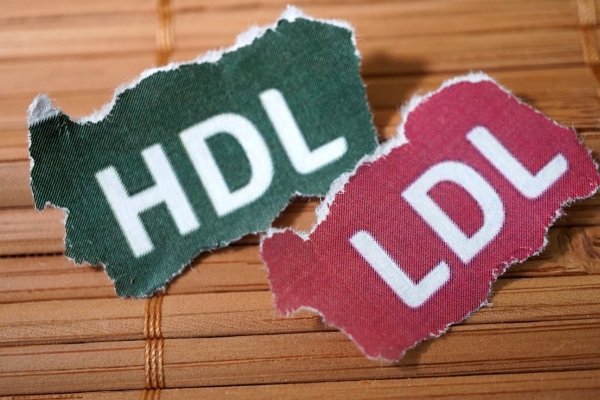
LDL Cholesterol

Evidence suggests that having high LDL (low-density lipoprotein)
cholesterol, in addition to being a risk factor for heart disease and stroke,
is also a plausible mid-life risk factor for dementia. Aim for an LDL less
than 100 through a healthy diet and exercise, and medications if
necessary, the lower the better.risk than cognitively stimulating hobbies or cognitive interventions.


Depression

Depression is classified as a midlife risk factor that increases the risk of
dementia at all adult ages. Depression is also an early symptom of
evolving dementia, years before it presents. It has been found that those
who were treated for depression were less likely to develop dementia
than those who were left with untreated depression.

13083

Traumatic Brain Injury

Repeated TBI and frequent concussions are linked to a higher risk of dementia. Protection from head injury using sport-specific protection
equipment and avoiding high-impact collisions can decrease the chance
of dementia and early onset dementia.

Physical Inactivity

Studies identified that increased amounts of physical activity are linked to better cognition in the future and a decreased risk of developing
Alzheimer’s disease or dementia, independent of baseline age. Physical
exercise at any age appears to be worthwhile for everyone.

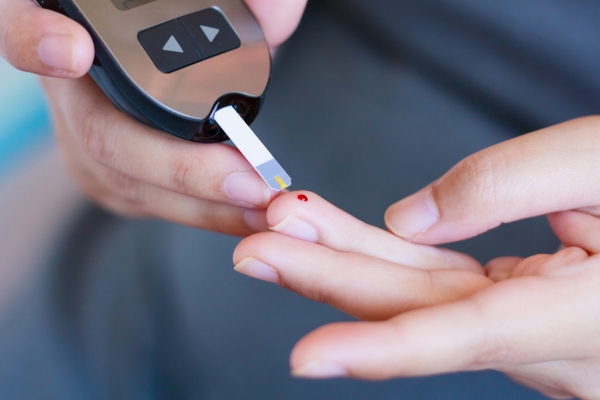
Diabetes

Evidence suggests that diabetes is a midlife risk factor for dementia, with
chronic causes of diabetes and ill-controlled diabetes increasing the risk.
It has not been found that intense treatment compared to regular diabetes treatment leads to any decrease in risk for dementia. Overall better
control of diabetes might be a way of lowering dementia risk.

Smoking

Not only is smoking a risk factor for cardiovascular disease and cancer,
but it is also a leading risk for dementia. Studies show that midlife (40-60 years old) smoking creates the strongest risk for dementia rather than late life smoking. These studies also suggest that quitting and avoiding
smoking reduces the risk of dementia.

Hypertension (high blood pressure)

Having hypertension in the midlife increases the risk for dementia and
Alzheimer’s disease. Generally speaking, prevalence of hypertension
varies across race and socioeconomics. Aim to keep blood pressure below 130/80.

Obesity

Obesity in the midlife is associated consequently with dementia, and is
more common in people who do not get a lot of exercise. Aim to get daily
exercise and to remain a healthy weight for your age.

Excessive Alcohol Consumption

Studies have found an association between people in their midlife who
are heavy drinkers and the subsequent risk for dementia. A lower risk of dementia is associated with reduced excessive drinking of alcohol and
mild consumption (one drink a day).

Social Isolation

Infrequent social contact is associated with a higher risk of dementia.
Being socially isolated is defined as meeting at least two of these criteria:
living by yourself, seeing family or friends once a month or not at all, and not participating in any weekly group activities at a minimum. Loneliness
and not participating in social activities are both linked to dementia but distinctly separate from social isolation.

Air Pollution

It is suspected that fine particles in air pollution is a risk factor for
cognitive impairment and dementia. Evidence is emerging about the
potential of improving air quality to in turn lower the risk of dementia
incidents and cognitive decline.

Untreated Vision Loss

There is an increased risk of dementia with vision loss, specifically with an
association to having cataracts or diabetic retinopathy. Vision loss has
been found to be higher in minority groups than in non-Hispanic and
White groups. Evidence supports the association that dementia risk is
linked to untreated vision loss and that potential treatment could lead to a
decrease in dementia risk.